
Are you a toddler parent? Do you find it hard to handle toddler tantrums? I am going to share a few parenting secrets for a toddler tantrum. But before going further, pat yourself on your back. You are already doing a great job! Managing a toddler is a demanding task. Balancing both work and kids is always hard. If it is a toddler, it is extra hard.
Table of Contents
Who is a toddler?
According to Wikipedia, the word “toddler” is derived from “to toddle” which means ‘to walk unsteadily’. Anyone between the ages of 1 and 3 is a toddler. A toddler is on an active spree. They tend to explore everything they see. They observe and are quick at imitating. They are like a mirror. At this age, what you sow is what you reap. Their emotional development is crucial in this stage.
How and why do tantrums occur?
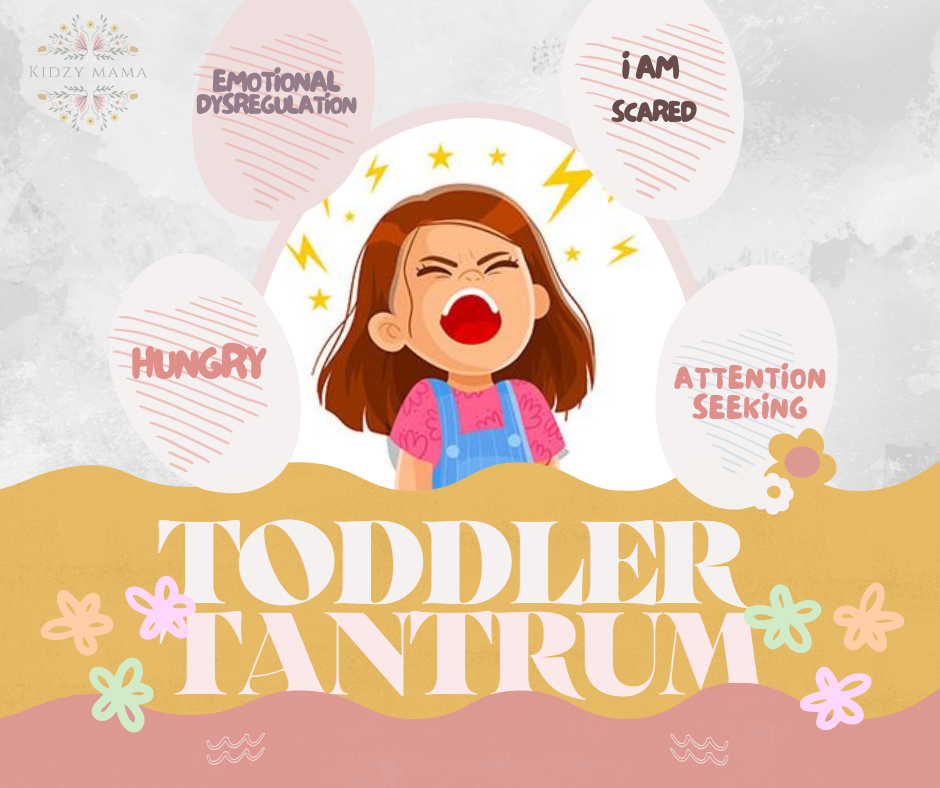
During the toddler phase, the child has just started to speak. They can talk only a few words. They are unable to deliver their thoughts and emotions. They cannot handle frustration and anger. These emotions are too much for them to manage. So when things do not go the way they want, tantrums occur.
Hunger can be the reason for a tantrum. They cannot find out if they are hungry or not. These can cause a tantrum. Some toddler tantrums can occur due to lack of sleep. Sometimes, it may be due to environmental change. A new place can also cause a tantrum. Occasionally, it may be an attention-seeking tool. It may occur when a toddler is not feeling safe and secure in a group of people. Whatever the reason, tantrums are inevitable in the growth of the child.
As a toddler parent, you may be exhausted by handling tantrums daily. You may feel helpless during a tantrum. You may be embarrassed in a public place even though there is nothing to be embarrassed about. How will you handle a tantrum? What should you remember before managing a tantrum?
LIST OF PARENTING SECRETS
- ACCEPT THEIR EMOTIONS: Accept their emotions during a tantrum. A tantrum occurs when their emotional bucket is empty. Toddlers cannot regulate their emotions. In this confused state, tantrums happen. If you notice their tantrum is due to a lack of emotional regulation, it is necessary to fill in their emotional bucket. Never argue with them. Try to accept and respect their emotions. Arguing with them during a tantrum causes no benefit.

- DO NOT GIVE IN: While responding to their emotions, do not give in. Giving in may give them a false idea that their tantrums can get what they want. As a parent, you do not want them to get this idea. Not every tantrum can favor them. So you must be careful not to give in every time.
- COMFORT THEM: Never forget to comfort them during a tantrum. A simple hug while they cry can comfort them to a certain extent. Words like “I understand you” and “I can understand you are hurt” can comfort them. Some toddlers are so fixated on their tantrums that they hate comforting. Sitting by their side, waiting for them, and staying calm can comfort them. It is necessary to make them feel they are not left alone.

- ANALYZE THE REASON: Try to analyze the reason behind the tantrum. Find out if the toddler is sleepy. Find out if they are overtired or under tired. Tantrums may occur even if they are hungry. They may feel uncomfortable with the surroundings or the outfit. You are the one who knows the best about your toddler. Analyze the reason behind the tantrum and try to work on it.
- NO VIOLENT MEASURES: Never scold and hit the toddler for their tantrums. It may cause physiological issues if continued for a long time. Scolding and hitting will never benefit them. It is the worst method to handle a tantrum. Scolding and hitting habits create distance between your kids and you when they grow older. Kids may turn rebellious due to this habit. They may turn aggressive later in their life.
- NEVER IGNORE THEM: According to me, never ignore them. Some elders may advise you to leave your toddlers alone and unattended until their tantrums stop. This habit is wrong. The toddler period is sensitive. It is crucial to prove your love to them. Show them in action. A toddler wants to feel wanted. Being by their side is a key factor.
- SPEND QUALITY TIME: Spending some quality time with your toddler is necessary after a tantrum. This habit gives them much-needed reassurance. Spending enough quality time can reassure them that they are precious and loved. Quality time may help reduce the tantrum to a certain extent.
Are you searching for a baby carrier to spend quality time?

- MAINTAIN CALMNESS: Always try to be calm during a tantrum. Managing your emotions is also essential. By attempting to convince or calm them down, never show your frustration and anger to them. This behavior may aggravate their tantrum. They mirror our actions and replicate the same.
These are some of the parenting secrets. Follow these tips to handle toddler tantrum. When you try to incorporate these practices, gradually handling a tantrum could not stress you out. But are there any ways to avoid temper tantrums?
WAYS TO AVOID TEMPER TANTRUMS
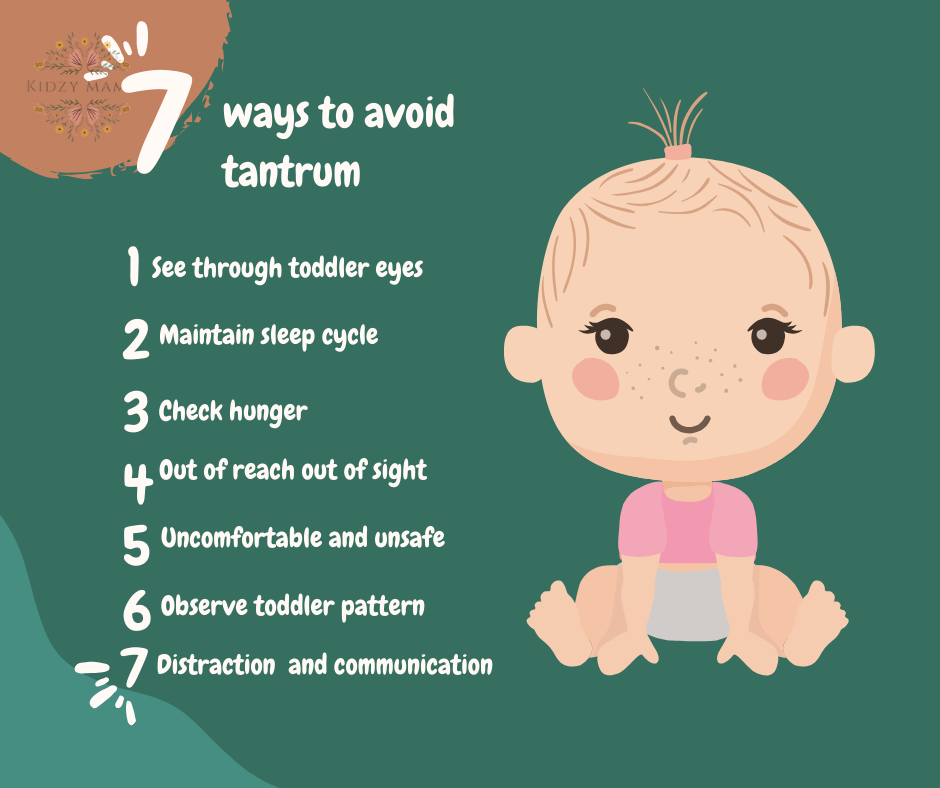
- Always put yourselves in the toddler’s shoes. This way can help predict a tantrum to a certain degree.
- Observe your toddler pattern. This routine can help you create a mind map about them and prevent some tantrums.
- Make sure their sleep cycle is not disturbed.
- Find out if they are hungry or not and have snacks handy.
- Find out if they are uncomfortable or not feeling secure and safe in an environment.
- Always keep dangerous items out of reach. Out of sight is out of mind. It is one of the best methods to prevent tantrums.
- If you foresee a tantrum, try to distract them. In my experience, distracting during a tantrum does not work out well. In that case, communication has helped.
Every temper tantrum has a different reason. You cannot work out every tantrum in the same way. Each toddler tantrum is unique and should be dealt with differently. As a parent, you know what is best for your child. Always remember, your child is growing everyday. One day, you’ll probably miss these tantrums.
Always remember that not all tantrums are the cause of concern. When they grow older, tantrums become less. They can communicate well. They can understand others. They become mature enough to handle their emotions. However, if you feel your toddler tantrum is abnormal, please consult a doctor immediately. Sometimes it may be a medical emergency.
If you think the post is valuable, please share your thoughts in the comments section. If you have a unique way of dealing with tantrums that works for you, feel free to share it below. It may help someone like you. Thank you for reading! Happy parenting!